
UPDATE: March 2020
This is my 2nd most visited post on my website. Nearly a hundred thousand visits a year come into this post that I made back in 2007.
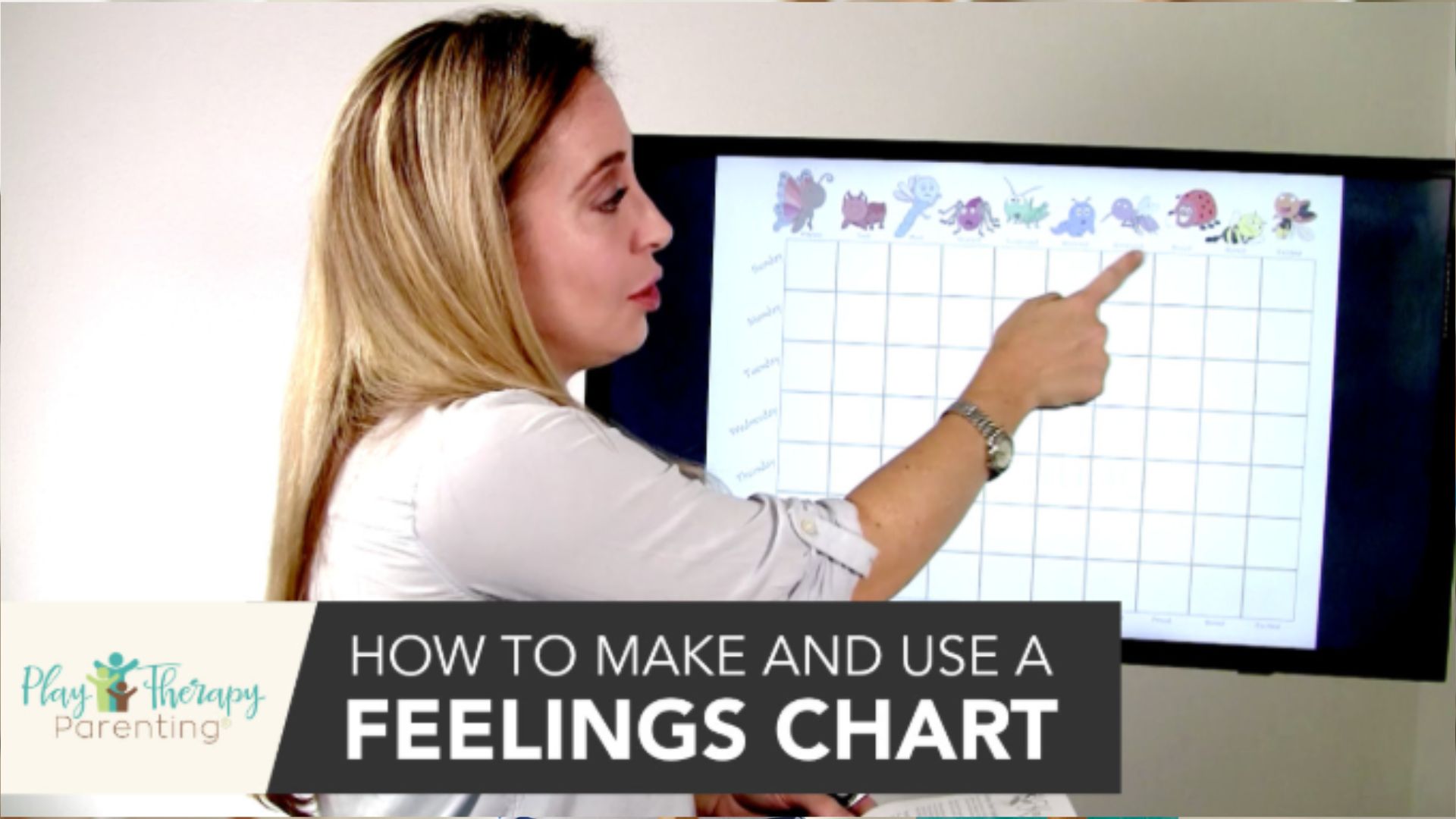
Because of the need I see for parents wanting to help their child build an emotional vocabulary, I worked with a mom (who happens to be a fantastic graphic artist) in South Africa who has taken my private parent coaching class (CPRT), and we teamed up to develop our own feelings chart!
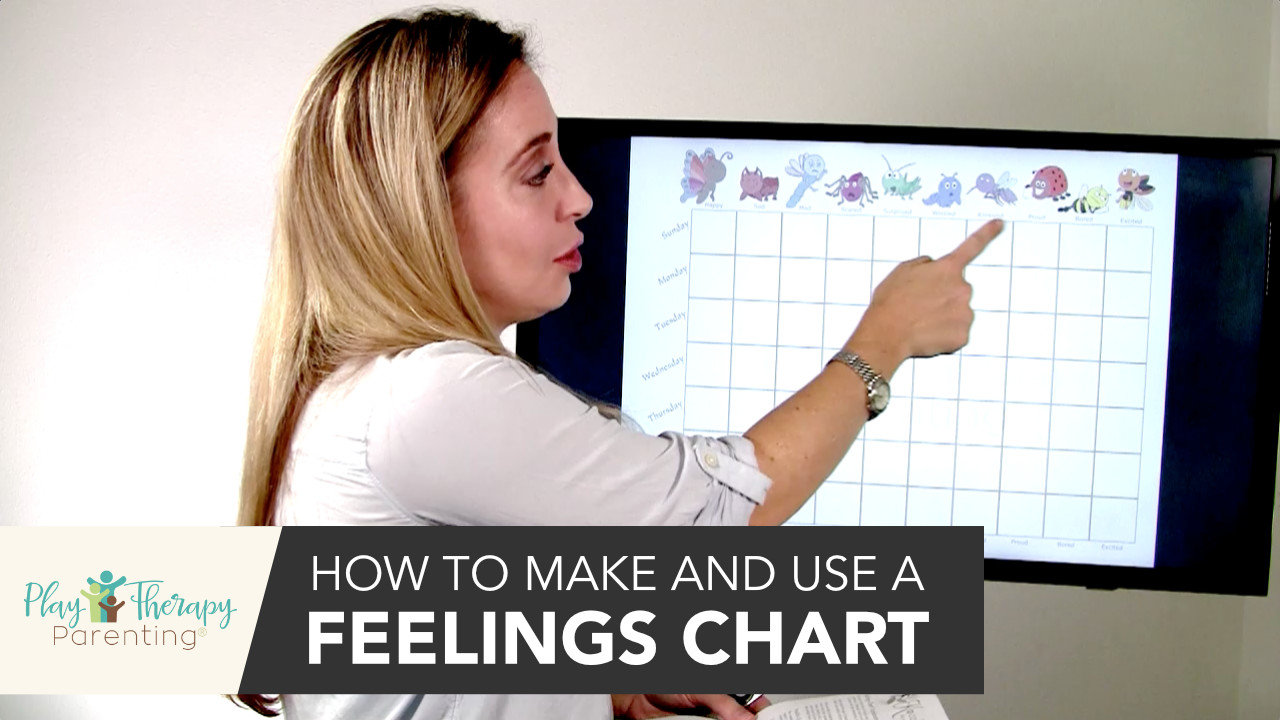
So click the following link to get The Kid Counselor training on How to Make and Use a Feelings Chart!
Thank you to Mari from South Africa for helping me develop this product. I encourage you to check it out if you are interested in helping your child build an emotional vocabulary and be better able to tell you what they are feeling.
Below is my original post…
How to Make and Use a Feelings Chart
Children often struggle with explaining their feelings, and therefore act out inappropriately. Until children reach the age of about 12, they do not have the cognitive reasoning skills required to recognize and verbally discuss what they feel.
A very simple and practical way to assist your child in communicating what they are feeling is a Feelings Chart. A Feelings Chart shows different feelings that your child may feel throughout the day and the days of the week. It can be made on posterboard or cardboard with markers, colored pencils or crayons. The faces can be hand drawn on construction paper or you can use garage sale pricing stickers for ease of sticking them on the chart.
A Feelings Chart can be created with the child to reflect his/her personality and interests. Encourage your child to be involved in the design process and ask what feelings should be included. Allow the child to decorate the chart as they wish- it is their feeling chart!
After the chart is completed, hang it in the child’s room and decide when you are going to review your child’s chart with him/her. Many find that right before bed is a nice close to the day and allows bonding between you and the child each night. Explain that at any time throughout the day, your child can choose to put a face on the chart describing how he/she feels.
Your child may only choose one face during the day or may choose many. The key is not in how many feelings are expressed, but rather that the child learns to associate feelings with words. Your role as a parent going over the feelings of the day is not to change the way they felt about a situation or try to pacify their emotions. Instead, practice reflecting their feelings back to them and validating their emotions. An example is “You were really angry about that” or “That made you very excited!”. Try to match your tone to their feeling. Another way to process their feelings can also be “I wonder what would have made that less scary” (or hurtful, etc.) or “I wonder what feelings go with the one you felt” (happy with excited, angry with sad, etc.).
Here’s that link again to get The Kid Counselor training on How to Make and Use a Feelings Chart!
A Feelings Chart is helpful to you and your child in many ways, but creating a special time with him/her to debrief about the day is useful for communication, bonding and mutual understanding. Feel free to share your own feelings throughout the day with your child… maybe you can both learn to recognize and acknowledge feelings together!